Every business can harness the power of SEO to drive more traffic to their websites, and increase leads and revenue.
This list of frequently asked questions is a great starting point to help guide you through the process.
HOW DOES SEO WORK?
SEO, also known as Search Engine Optimization, analyzes how search engines work, what people search for, and which keywords are effective for your target audience.
With SEO, your website’s visibility increases when search engines crawl your website. As they crawl your site, they index content to appear in the search engine results.
However, not all content is indexed. Search engines pick what content they will and won’t index as they go through the crawling process. Based on context, they begin to assign keywords to pages.
WHAT IS A KEYWORD?
A keyword is a search term a user types into search engines when they want to find something specific. A search term can be generic, broad, specific and long tail.
Keyword Example
Let’s say you have an online brand that sells necklaces. A basic search term could be a necklace.
But, there’s a lot of ways you can interpret this keyword.
For example:
- Necklace
- Pearl Necklace
- Necklace for girlfriend
- How do I fix my broken necklace?
- Necklace for sale
Keywords can be used to create new or update existing content; like blogs and product pages. This increases your website visibility and helps you reach your target audience.
What are meta tags?
The foundation of any SEO effort is to create quality meta tags using current best practice optimization rules. There are three primary tags to be concerned with:
Title Tag
The title tag appears up in your browser’s title bar when viewing a website and should contain no more than 65 characters. Google uses your page “title” as the link in their search index. Place your most important keywords toward the front of the title tag.
Description Tag
Descriptions are no longer used to impact search ranking but they can be helpful to entice a user into clicking through to your site as it gives you an opportunity to tell them about your page before they visit. In some cases Google will not display the description and will substitute it with body content. Descriptions should be less than 150 characters. Both Titles and Descriptions should be unique for every page on your site so that the search engines know the content is different from page to page.
Keyword Tag
Keywords are not used by the major search engines any longer for ranking purposes due to the high amount of abuse over the last 15 years; however, it may still be useful to optimize this meta tag for some lesser known search engines.
What is Body Content Optimization?
Content is the new king metric of internet search engines. (Check out this video from Coke on content marketing). As a result, if you want to rank well with any search engine, you’ve got to have great content. Make sure that your body content is interesting, sharable, and has a high saturation of keywords for your targeted audience. Ideally, each page of your site should have a single focus and be engaging. Definitely do not try to create pages that are just stuffed with keywords in an attempt to trick the engines, they’re smart enough these days to understand good content from keyword spam content and before you know it, your page will be removed from their indexes.
WHAT IS A SEARCH ENGINE?
A search engine is an online directory people can search for people, places, and things on the Internet. The most well-known search engine is Google. Others include Bing, Yahoo, and DuckDuckGo.
HOW CAN SEO HELP MY COMPANY?
SEO helps your business be found quickly and easily by potential customers. If you want to sell products on your website and need to drive customers towards it, then SEO can help. If your product pages are SEO optimized, your company and products appear higher in the search results.
HOW LONG DOES IT TAKE FOR SEO TO SHOW RESULTS?
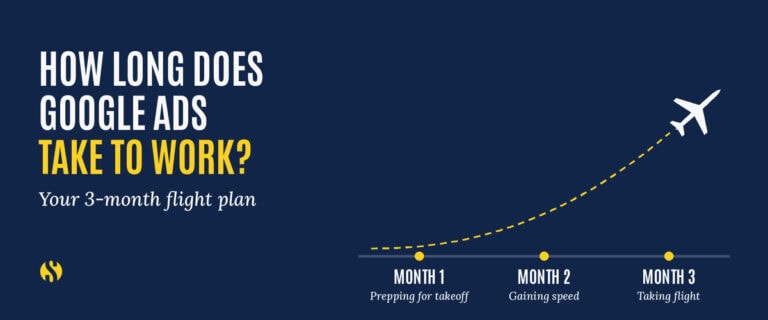
It could take anywhere from several weeks to months for your SEO tactics to show the results you’re looking for.
WHAT IS THE DIFFERENCE BETWEEN PAID SEARCH & ORGANIC SEARCH?
Both are critical and have the same focus: to increase website traffic and connect with your target audience.
Organic Search Traffic
Organic Search is “free” traffic sent to your website from search engine results based on the content and coding of your site. Some examples include keywords, backlinking, and local citations.
Paid Search Traffic
A common paid search method is Pay-Per-Click (PPC) advertising.
You pay a fee to the website, social media platform, or search engine based on clicks, impressions, or other criteria. There are a wide variety of ways of targeting PPC advertising to reach the audience most relevant to your products and services.
FEEL THE SEO POWER, YET?
You’re almost there! For more tips on optimizing your website, contact our marketing gurus today. We can help your business grow into the powerful, successful company it was destined to be.
Enjoy content from Strategy Marketing? Make us one of your preferred sources on Google.