Tired of not knowing if your marketing efforts are producing results? This isn’t just annoying; it can drive your business into the ground if you aren’t careful. Marketing is an investment, so of course you need to know whether it’s generating leads for you. Otherwise, you’re just blindly throwing money at the internet and hoping you’ll get lucky.
Wasting money sucks. If you want to avoid wasting money, you must learn how to track incoming leads throughout their entire customer journey. This is extremely beneficial as tracking leads tells you:
- Where your leads are coming from,
- If you’re nurturing your leads well,
- What messaging and tactics are resonating with leads,
- And areas to improve.
But how do you track your incoming leads? And what kind of metrics really tell you what you want to know? Keep reading to find out.
How to Tell Where Leads are Coming From
Whether you decide to handle marketing on your own or outsource, running a successful campaign takes time and money. You need to know if your marketing strategies are actually working. Here’s how to do it:
- Find your lifetime gross profit to customer acquisition cost (LTGP:CAC)
- Make sure your LTGP:CAC ratio is greater than 3:1
- Learn how much profit you’ll make off a customer
- Evaluate your marketing strategies and budget how much you’ll spend on them
The most accurate way to measure the success of your marketing efforts is by tracking your leads throughout their entire customer journey. This won’t just show you which marketing strategies are attracting leads though. It will also reveal how these leads interact with your business. For example, when a lead converts, tracking can show how much nurturing it took to get them there, what marketing tactic they converted through, the value of their conversions, and more. And we’re going to tell you exactly how to measure where your leads are coming from as well as help you determine your ROI.
Use a Customer Relationship Management Software
The easiest way to start tracking leads is by implementing a customer relationship management or CRM software. This system manages all your business’ interactions with potential and current customers. They monitor marketing emails, sales calls, and more to provide you with information like traffic sources, lead conversion rates, and engagement metrics. Instead of having to comb through all this data yourself, the software does it for you so you can see exactly what’s working and what isn’t. In fact, we believe so strongly in the importance of a CRM software that we include one in every website we build. This way, every single one of our clients can see the results of their marketing efforts themselves.
Ask Leads for Information
Sometimes the best way to track your leads is by talking to them yourself. This strategy shouldn’t be applied to every conversion; however, it can work well for major conversions. Be sure to ask these leads how they heard about your business during one of your sales conversations. This not only shows your leads that you’re interested in them, but also tells you which touchpoints and marketing efforts were most effective in getting you business.
Continuously Refine Your Strategy with Concrete Data
When you work with a marketing agency and use exclusive lead generation, your business gets higher quality leads over time as your team learns and adapts their strategies. This is because you aren’t locked into general leads and can change your efforts at any time. If your campaign isn’t yielding results, your marketing agency will know and will adjust your target audience or tactics. After all, why stick with a lead generation strategy that isn’t getting you business?
How to Tell if Your Marketing Efforts are Improving Your ROI
You’ve collected all this data on your target audience and marketing efforts, now what? First, you must understand that not every piece of data is going to be valuable to your marketing plan. Just because your CRM spits out a bunch of metrics doesn’t mean you have to pay attention to all of them. In fact, if your main focus is to improve lead generation you really only need to monitor four key performance metrics:
- Number of leads
- Leads by channel
- Conversion rate
- Cost per lead
Tracking these metrics is vital to ensure your marketing efforts are paying off and getting you the results you need. They tell you which marketing tactics are attracting the most leads and how well these efforts turn leads into sales. This can reveal which marketing channels work the best for your business and which ones don’t seem to reach your target audience. As a result, you can put more of your time, money, and effort towards channels and tactics that actually make you a profit.
How do you tell which marketing efforts are making you money and improving your ROI? Every time you get a lead, compare how much money they spent on your business vs how much money you spent on your marketing campaign that drew them in. Ideally, you should be making a profit. If you’re not, then something in your marketing or pricing needs to change. Optimizing your marketing plan like this can take a lot of work, but it is necessary if you want to use effective strategies that improve your ROI. Luckily, when you work with a marketing agency, they can take on this entire process. From gathering and analyzing data to adjusting marketing tactics, a reliable marketing agency can handle all of it so you don’t have to.
How Long Will It Take for Your Business to See Results from Marketing?
With a strong omnichannel strategy, you should see results from your marketing efforts quickly. Utilizing and continuously optimizing multiple marketing strategies at once increases the chances of attracting high quality leads at a faster rate. Generally speaking, here’s a rough estimation for when your business could see results depending on the strategy used:
- PPC: Results are (theoretically) instant. You put money in, and you get leads out. Agencies differ, but we guarantee exclusive marketing qualified leads within seven days of starting an ads campaign.
- SEO: 3-6 months. SEO typically has a slow build up as it can take search engines some time to properly categorize your content based on the SEO you’re using.
- Content Marketing: 6-12 months when done consistently. This strategy builds your audience and your business’ credibility by providing high quality content that gets potential customers to trust you so when they have a problem they will come to your business.
Keep in mind that these estimations could change based on how much you’re able to spend on a marketing tactic as well as if they are being used effectively.
The above strategies mainly help with search engines, but this is no longer enough. More and more people use AI tools instead of traditional search engines like Google to find contractors and research services. If you want potential customers to find your business in the modern world, you need to optimize your website for AI. Here’s how you can do this:
- Develop high-quality, authoritative content.
- Include first person stories and first party data in content.
- Optimize for semantic relevance by using clear and contextual language that answers user queries in a conversational tone.
- Use keywords, meta titles, and meta descriptions to convey content’s purpose.
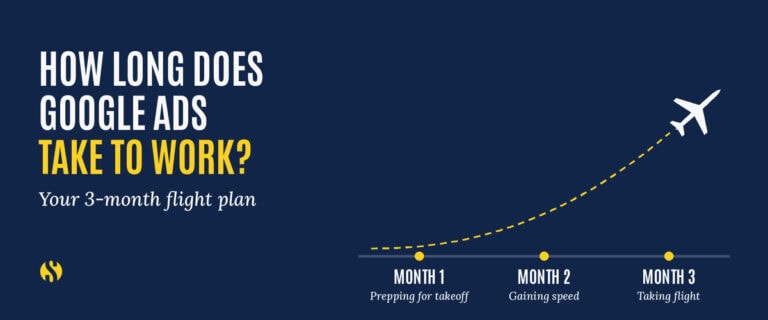
Don’t forget to continue using monitoring tools like CRM software to see how your efforts are performing. And even if you don’t get the perfect leads right away, this doesn’t mean your marketing efforts have failed. Sometimes they just need a little time to warm up. For example, Google Ads typically need at least three months to fully optimize and that’s on the short side for a marketing tactic. Regardless, it’s not uncommon to need to adjust your marketing efforts to better target your audience and convince them to convert.
Why You Need Agency Marketing to Get the Right Leads
“I need more leads now and don’t have time to advertise my business!” We hear this all the time from potential clients. And their solution is usually to use a standard contract lead platform like Angi’s list to get leads “guaranteed”. Be warned, these platforms don’t offer a perfect solution.
While you may buy leads on these platforms, ensuring potential customers will see your site and services, you aren’t the only one doing so. As a result, when a homeowner uses these platforms to find a contractor, you will be competing with other contractors in the same area and category. You’re paying for access to a shared lead pool, meaning every lead is actually a bidding war. And your competition on Angi’s? They’re the bottom of the barrel, change order fueled, jokers who don’t care about their clients. Not the group you want to run with.
So if lead buying doesn’t work, what does? Marketing agencies who provide exclusive leads for your business. Instead of using a distribution system that sends leads to multiple contractors, a good marketing agency will run a campaign designed for your specific target audience. This ensures you get leads who need your products or services and are ready to purchase them right now. Instead of waiting for leads to convert and putting in more effort to convince them to do so, you can focus on providing your products/services to customers who already know they need your help.
Lead Generation FAQs
Track metrics like lead source, conversion rates, and customer lifetime value. High-quality leads typically come from sources that match your target audience and have a higher likelihood of converting into paying customers.
Lead nurturing helps improve lead quality by guiding potential customers through their buying journey. By tracking how leads interact with your business through email campaigns, follow-ups, and personalized content, you can identify what tactics are most effective in converting leads.
Analyzing lead data will help you identify where drop-offs are occurring in your sales funnel. Are leads abandoning your contact form? Are they bouncing from your landing pages? Use this data to optimize these areas and increase conversion rates.
Tracking lead behavior allows you to understand how potential customers interact with your website, ads, and content. By analyzing behaviors like which pages they visit, what content they download, and where they drop off, you can make data-drive decisions to improve your messaging, content, and overall marketing strategy.
Sustainable lead generation comes from a balanced marketing strategy, which includes SEO, PPC, and content marketing. Regularly track your ROI, conversions, and lead quality. If your efforts are generating leads consistently without a dramatic increase in cost, your strategy is likely sustainable.
The best way to track effectiveness of your PPC campaigns is by monitoring key metrics like conversion rates, cost per lead, and return on ad spend. If your campaigns are targeting the right keywords and reaching the right audience, you should see an increase in qualified leads that align with your business goals.
ROI from SEO is best measured through organic traffic growth, keyword rankings, and the number of conversions from that traffic. Track your traffic and conversions over time using CRM software. A solid SEO strategy should gradually increase your rankings for high-value keywords and results in more organic leads over time.
Absolutely. Content marketing helps build trust and credibility with potential clients. By creating valuable, informative content that addresses your customers’ pain points, you position your business as an expert in the field. Over time, this attracts more organic traffic and increases the likelihood of generating leads.
100%. Using SEO and PPC together can amplify your results. While SEO drives long-term organic traffic, PPC offers immediate visibility and quick results. Running both strategies in tandem can ensure your business shows up in search results both organically and through paid ads, getting you more leads and a higher ROI.
To determine if your leads are sales-ready, track engagement signals such as email opens, form submissions, and interactions with key content like case studies or pricing pages. Leads that engage with your content and show intent, such as requesting a quote or asking for more information, are likely closer to converting.
Steady Lead Generation Means Continuous Marketing Optimization
Understanding how your marketing efforts are performing is vital to ensuring you’re using the right tools to reach your target audience, generate leads, and meet your goals. Sometimes, this means realizing what you’ve been doing just isn’t working anymore and it’s time to come up with a new marketing strategy. Sign up for our free marketing e-course to learn about the latest marketing strategies and how you can use them effectively to generate leads for your business.
Enjoy content from Strategy Marketing? Make us one of your preferred sources on Google.