If you’re creating content for your business—whether it’s blog posts, social media updates, or email newsletters—you’re probably familiar with the struggle. There’s the constant pressure to churn out more content, but very little insight into whether it’s actually working.
Here’s the problem: most content fails because it’s created without a clear strategy. Without a content strategy, your content becomes a cost rather than an investment. It doesn’t serve your business goals and, in many cases, ends up sitting unnoticed.
A content strategy is the secret to turning random acts of content into a cohesive plan that moves the needle. It’s the blueprint for creating content that actually builds your brand, attracts customers, and drives revenue.
In this post, we’ll break down:
-
What a content strategy is
-
Why your business needs one
-
How to build an effective content strategy step-by-step
Let’s dive in.
WHAT IS A CONTENT STRATEGY?
A content strategy is a documented plan that outlines how content will be created, distributed, and measured to achieve your business goals. It’s not just about publishing content—it’s about creating content that drives value, engages your target audience, and directly supports your business objectives.
Think of your content strategy as the “why” behind your content efforts. It provides clear direction and ensures every piece of content you create is aligned with your goals.
KEY COMPONENTS OF A CONTENT STRATEGY:
-
Audience Insights: Understanding your target audience is at the core of any content strategy. Who are they? What are their pain points? What type of content do they engage with most? This information drives the content you produce and how you communicate with them.
-
Business Goals: Your content should always align with broader business goals—whether that’s generating leads, increasing brand awareness, or educating potential customers. A content strategy ensures you’re not just creating content for the sake of it; every post has a purpose.
-
Content Themes or Pillars: These are the central topics you’ll focus on consistently across your content. For instance, if you run a B2B software company, your content pillars might include “industry insights,” “product tutorials,” and “customer success stories.”
-
Content Distribution Plan: A strategy also covers where and how your content will be distributed. Will you focus on your blog, social media, email, or all of the above? Understanding which channels work best for your audience helps optimize reach and engagement.
-
Metrics and KPIs: Without tracking performance, it’s hard to know what’s working. A content strategy includes the key performance indicators (KPIs) you’ll use to measure success, such as traffic, engagement, conversions, or lead generation.
A strong content strategy goes beyond creating a content calendar. It’s a comprehensive plan that not only defines the what and how of your content, but ensures it’s aligned with your overall business strategy. This makes content creation more intentional and results-driven, leading to greater ROI in the long run.
WHY YOUR BUSINESS NEEDS A CONTENT STRATEGY
Without a content strategy, you’re essentially throwing content into the void and hoping something sticks. In today’s crowded digital landscape, content without a clear purpose or direction can easily get lost. Here’s why every business—large or small—needs a solid content strategy:
1. CONSISTENCY IS KEY
A content strategy ensures your messaging stays consistent across all platforms. Whether it’s your website, social media channels, or email campaigns, consistency helps build brand recognition and trust. A consistent brand voice makes your content feel cohesive, helping your audience connect with you on a deeper level. Without consistency, your brand may appear scattered and unprofessional.
2. IT ALIGNS CONTENT WITH BUSINESS GOALS
A strategy keeps you focused on your business objectives. Are you trying to generate leads? Increase brand awareness? Educate your customers? A content strategy makes sure every piece of content you create has a clear goal that supports your larger business objectives. This ensures your content isn’t just “filler,” but actively contributes to achieving measurable results.
3. MEASURABLE RESULTS
A content strategy allows you to set clear metrics and KPIs (Key Performance Indicators) for each piece of content you produce. By tracking performance, you’ll know what’s working and what isn’t. You can tweak and optimize your content strategy based on real data, which makes your marketing more effective over time. Without a strategy, it’s difficult to gauge ROI, and you risk wasting resources on content that doesn’t drive any results.
4. SCALABILITY
Once your content strategy is in place, it becomes much easier to scale. You can consistently produce high-quality content without reinventing the wheel each time. For example, you’ll know which topics resonate with your audience and which formats work best. You’ll also have a clear distribution plan, allowing you to leverage multiple channels (like blogs, social media, or email) to reach a broader audience.
5. COMPETITIVE ADVANTAGE
In a world where consumers are constantly bombarded with content, standing out is critical. A well-defined content strategy helps you differentiate your brand from competitors. It allows you to position your business as a thought leader, showcase your unique value proposition, and speak directly to your target audience’s pain points. A lack of strategy often leads to content that is too generic or irrelevant, allowing competitors to steal the spotlight.
6. BUILDS LONG-TERM RELATIONSHIPS
Content strategy isn’t just about generating short-term leads—it’s also about nurturing long-term relationships. By consistently providing value through educational content, success stories, or behind-the-scenes insights, you can establish a deeper connection with your audience. Over time, this builds trust, loyalty, and brand advocacy, turning casual readers into devoted customers.
In short, a content strategy ensures your marketing efforts aren’t random. It turns content into a strategic asset that drives business growth and builds a loyal audience.
WHAT A GOOD CONTENT STRATEGY INCLUDES
A well-crafted content strategy covers several key components that ensure your content is aligned with your business goals and resonates with your target audience. Here’s a breakdown of what should be included:
BUSINESS & MARKETING GOALS
Every content strategy starts with understanding your business goals. What do you want your content to achieve? This could be anything from generating leads, building brand awareness, driving traffic, increasing customer retention, or educating your audience. By identifying clear goals, you ensure that your content efforts are purposeful and directed towards achieving measurable outcomes.
Example: A SaaS company may have the goal of using content to increase sign-ups for its free trial. All content created (blogs, videos, email newsletters) should be aligned to move people through the customer journey and ultimately convert them into leads.
TARGET AUDIENCE(S) & PERSONAS
A successful content strategy is built around a deep understanding of your audience. Who are you creating content for? What are their pain points, challenges, interests, and goals? Creating buyer personas is a crucial step. These personas are detailed representations of your ideal customers, which help guide the tone, style, and topics of your content.
Example: If you’re a B2B software company, you may have personas like “Marketing Manager” or “CTO” who each have different needs and decision-making processes. Your content should speak directly to these personas, addressing their specific concerns and how your product solves their problems.
CONTENT PILLARS OR THEMES
Content pillars are the core topics that your brand will consistently cover. These are the themes that resonate most with your audience and align with your business goals. Ideally, you should aim for 3-5 content pillars. These pillars guide the types of content you’ll produce and make it easier to plan your content.
Example: A digital marketing agency might focus on content pillars like “SEO Best Practices,” “Paid Advertising Strategies,” and “Content Marketing Insights.” Every blog post, video, or social post should relate to one of these themes, ensuring consistency and relevance.
CONTENT FORMATS AND CHANNELS
Different types of content resonate with different segments of your audience. Your content strategy should include a mix of formats such as blog posts, videos, infographics, case studies, white papers, and social media updates. Additionally, you need to decide which distribution channels are best suited to your audience—this could include your website, social media platforms (LinkedIn, Twitter, Facebook, etc.), email newsletters, or even podcasts.
Example: If your audience is active on LinkedIn, your content strategy might focus heavily on LinkedIn articles and posts. If your audience prefers visual content, videos on YouTube and Instagram might be more effective.
SEO & KEYWORD STRATEGY
Integrating SEO into your content strategy ensures your content gets discovered. By targeting the right keywords—based on search intent and relevance to your audience—you’ll drive organic traffic to your website. Your SEO strategy should include keyword research, on-page SEO (like using keywords in headings and meta descriptions), and technical SEO (such as site speed and mobile optimization).
Example: A local gym might target keywords like “best gym in [city name]” or “affordable fitness classes near me” to ensure their content shows up for people searching for fitness solutions in their area.
DISTRIBUTION PLAN
Creating great content is only part of the equation—distribution is key to ensuring your content reaches its intended audience. Your content strategy should include a plan for how you’ll promote and distribute your content. This could include using email campaigns, social media posts, paid ads, or influencer marketing to increase visibility.
Example: Once you publish a blog post on your website, you might promote it through a Facebook ad campaign, share it on LinkedIn, and include a call-to-action in your email newsletter to drive traffic.
CONTENT CALENDAR
A content calendar is a tool that helps you schedule your content in advance, ensuring consistency and efficiency. It’s not the strategy itself, but it’s a valuable part of the planning process. By using a calendar, you can plan what content will be published and when, which helps ensure you stay on track with your content goals.
Example: A monthly content calendar for a consulting firm might include blog posts on Mondays, LinkedIn updates on Wednesdays, and email newsletters on Fridays. This ensures the content mix is varied but consistent.
METRICS AND KPIS
Measuring the success of your content is essential to understanding what’s working and what isn’t. A good content strategy includes clear metrics and KPIs (Key Performance Indicators). These might include web traffic, social media engagement, lead generation, conversions, or the number of downloads for gated content. By tracking these metrics, you can adjust your strategy and improve over time.
Example: If your goal is lead generation, a KPI might be the number of new subscribers to your email list. If your content is producing traffic but not conversions, you can rework your CTAs or landing pages to improve the funnel.
HOW TO BUILD A CONTENT STRATEGY (STEP-BY-STEP)
Building a content strategy may seem overwhelming at first, but it doesn’t need to be. With a structured approach, you can create a strategy that aligns with your business goals and engages your audience effectively. Here’s how to do it step-by-step:
DEFINE YOUR GOALS
The first step is to clarify what you want your content to achieve. Whether it’s generating leads, increasing brand awareness, or educating your audience, having clear, measurable goals is essential for guiding your strategy. Start by asking yourself:
-
What business objectives do we want to support with content?
-
How will success be measured (e.g., traffic, conversions, engagement)?
Example: If you’re a B2B software company, your goal might be to generate qualified leads through gated content like eBooks or case studies.
RESEARCH YOUR AUDIENCE
Next, get to know your target audience inside and out. What are their pain points, needs, and preferences? Create detailed buyer personas—fictional representations of your ideal customers—to guide the type of content you create.
Example: A business consultancy might have personas like “Marketing Director” or “C-Suite Executives” who each care about different aspects of business growth—marketing tactics vs. high-level strategic insights.
AUDIT YOUR EXISTING CONTENT
Before jumping into creating new content, take stock of what you already have. An audit helps identify content gaps, repurpose high-performing content, and streamline your efforts.
-
Which content is driving the most traffic?
-
What topics are most relevant to your audience?
-
What hasn’t been performing and needs updating or removing?
Example: If you’re a local service business, you may already have several blog posts on “How to Maintain Your [Service]” that are performing well. Repurposing these into downloadable PDFs or videos can extend their lifespan.
IDENTIFY CORE CONTENT PILLARS
Content pillars are the main topics that will support your content strategy. These broad themes will guide your content creation and help you stay focused. For example, if you’re a marketing agency, your pillars might include:
-
SEO best practices
-
Social media strategies
-
Content marketing tips
Having 3-5 core pillars ensures that your content is aligned with your business objectives and keeps you from drifting off-topic.
MAP YOUR CUSTOMER JOURNEY
The content you create should meet your audience where they are in their buying journey—whether they’re just becoming aware of your business or ready to make a purchase. Create content for each stage of the funnel:
-
Top-of-Funnel (TOFU): Awareness content (e.g., blogs, infographics) that educates or entertains.
-
Middle-of-Funnel (MOFU): Consideration content (e.g., case studies, webinars) that builds trust.
-
Bottom-of-Funnel (BOFU): Decision content (e.g., product demos, free trials) that pushes for conversions.
Example: For an eCommerce store, TOFU could be a blog post on “How to Choose the Best [Product] for Your Needs.” MOFU might be a comparison guide, and BOFU could be a product review video.
CHOOSE YOUR CONTENT FORMATS AND CHANNELS
Different types of content resonate with different audience segments. Decide which formats you’ll use (blogs, social posts, videos, etc.) and the best channels for reaching your audience.
Example: If you’re targeting an older demographic, email newsletters and blog posts might be more effective. If you’re targeting younger audiences, Instagram, YouTube, and TikTok might be better.
CREATE A CONTENT CALENDAR
A content calendar is a roadmap that keeps your content efforts organized. Plan when and where you’ll publish content and align it with your business goals, product launches, and key events.
Example: A SaaS company might plan a monthly blog post schedule, weekly email updates, and bi-weekly social media campaigns to keep a consistent flow of content.
TRACK AND MEASURE PERFORMANCE
To understand what’s working, you need to track the right metrics. Set KPIs (Key Performance Indicators) that align with your goals:
-
Traffic: Is your content driving visitors to your site?
-
Engagement: Are people interacting with your content (likes, shares, comments)?
-
Leads: Are people signing up for your newsletter or requesting a demo?
-
Conversions: Is your content directly influencing purchases or sign-ups?
Use tools like Google Analytics, social media insights, and email campaign reports to track and measure performance. Adjust your content strategy as needed based on what the data shows.
REFINE AND IMPROVE
Your content strategy is a living document. It will need continuous adjustment as your audience changes, new trends emerge, and your business evolves. Regularly review your strategy and tweak it based on performance data.
Example: If you notice that your audience responds better to video content than long-form blog posts, start incorporating more video into your strategy.
COMMON CONTENT STRATEGY MISTAKES TO AVOID
Even with the best intentions, businesses often make mistakes when developing and executing their content strategy. These mistakes can lead to wasted resources and missed opportunities. Here are the most common pitfalls to watch for:
CREATING CONTENT FOR EVERYONE
One of the biggest mistakes businesses make is trying to appeal to everyone. When you create content without a clear audience in mind, it ends up being too general and doesn’t resonate with anyone. Your content should address the specific pain points of your target audience, not try to serve a broad group.
Solution: Use buyer personas to define your ideal audience. Tailor your content to their needs, challenges, and preferences. This ensures your content speaks directly to the people who matter most.
FOCUSING ONLY ON QUANTITY, NOT QUALITY
It’s tempting to create a large volume of content to maintain consistency, but quantity does not always equate to success. Publishing poorly researched or low-value content in an effort to keep up with a schedule can backfire, leading to disengaged readers or prospects.
Solution: Prioritize quality over quantity. Aim to produce content that is well-researched, valuable, and genuinely helpful to your audience. It’s better to publish fewer pieces that provide real insight than to flood your audience with irrelevant content.
NOT HAVING CLEAR CTAS (CALLS TO ACTION)
Every piece of content should have a purpose. Without a clear call to action, your content leaves your audience wondering, “What now?” Whether your goal is to drive traffic, generate leads, or get social shares, make sure your content includes a CTA that aligns with your objectives.
Solution: Always include a clear, actionable CTA in your content. Whether it’s “download our guide,” “schedule a demo,” or “subscribe to our newsletter,” make sure your audience knows what to do next.
BEING TOO SALESY TOO SOON
Content marketing is about building trust and relationships. If you’re constantly pushing for a sale or a hard ask, your audience will quickly tune out. Instead of leading with your sales pitch, focus on educating and offering value first.
Solution: Use the customer journey to guide your content. In the awareness stage, offer educational content. As your audience moves closer to a buying decision, you can introduce more specific offers, case studies, or product demos.
IGNORING OR DELETING NEGATIVE FEEDBACK
Ignoring or deleting negative comments or reviews can damage your brand’s credibility. Customers expect to see genuine feedback and expect businesses to respond thoughtfully to criticism.
Solution: Embrace all feedback—good and bad. Respond to negative comments or reviews with professionalism, acknowledging concerns and offering solutions where possible. This shows that your brand is transparent and committed to improvement.
NOT MEASURING OR ADJUSTING BASED ON RESULTS
Without tracking the success of your content, you’re working blind. If you’re not regularly reviewing performance metrics, you may be continuing with strategies that aren’t working or missing out on opportunities for improvement.
Solution: Set clear KPIs (Key Performance Indicators) and track your content’s performance over time. Use tools like Google Analytics, social media insights, and email reporting to monitor how your content is performing, and make data-driven adjustments to improve results.
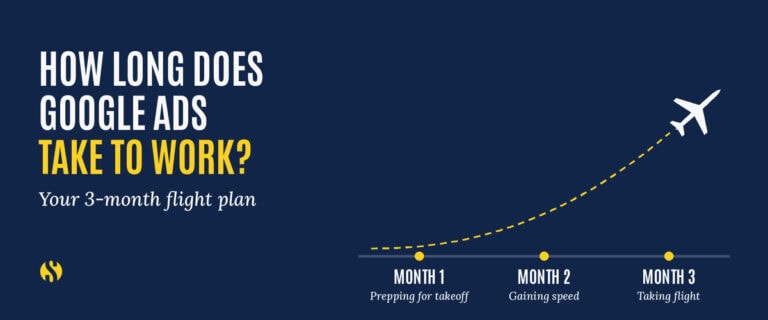
HOW LONG DOES A CONTENT STRATEGY TAKE TO WORK?
Building and executing a content strategy is not an overnight process. While the results are highly rewarding, they require time, patience, and consistency. Here’s a breakdown of what to expect and how to set realistic expectations:
SET REALISTIC TIMEFRAMES
Content strategy is a long-term game. While you may see some early wins, significant results typically take 2 to 6 months to show. In the beginning, you’ll likely be focused on foundational tasks like creating buyer personas, setting up your content plan, and optimizing your existing content.
-
Short-term results: Within a few weeks or months, you may notice an increase in website traffic, higher engagement on social media, or more subscribers to your email list. This is just the beginning, and these initial wins build momentum.
-
Long-term results: Over time, you’ll start seeing more substantial outcomes, such as higher-quality leads, increased conversions, and even revenue growth directly tied to your content.
COMPETITION AND MARKET CONDITIONS MATTER
The timeline for seeing results can vary depending on the level of competition in your industry or niche. Highly competitive fields (like tech, healthcare, or finance) may take longer to break through, while less saturated markets may show quicker gains.
-
Local vs. national competition: If you’re operating in a localized market, you may see faster results due to less competition for certain keywords or geographic searches. However, for national or international markets, ranking and building brand recognition may take longer.
FOCUS ON CONSISTENCY OVER TIME
Content strategy is built on consistency. Even if you don’t see huge results in the first few months, staying consistent with your content creation, publishing schedule, and engagement will pay off in the long run.
-
Content consistency: Posting regularly, whether weekly or bi-weekly, ensures that your brand remains visible and your audience stays engaged. The more frequently you publish high-quality content, the more your content will begin to accumulate value (in the form of backlinks, shares, or engagement).
-
Engagement consistency: Responding to comments, answering questions, and participating in relevant conversations keeps your brand top-of-mind for your audience, which can lead to improved brand loyalty and trust.
MEASURE AND REFINE ALONG THE WAY
Content marketing is not static. As your content performs, you’ll need to adjust and refine your strategy to continue improving. This means keeping an eye on your analytics, experimenting with new tactics, and changing your content based on what resonates most with your audience.
-
Use data to inform decisions: Tools like Google Analytics, social media insights, and email open rates help you understand what’s working and what’s not. The more you track, the better you’ll be at making strategic decisions that boost performance.
-
Experiment and adapt: You’ll need to tweak things like your content formats, publishing frequency, or even your tone and messaging based on what your audience reacts to. Sometimes what you think will work doesn’t quite land, and that’s okay. The key is to experiment and adjust.
LONG-TERM VALUE
Ultimately, content strategy is about building a sustainable marketing asset that grows over time. Unlike paid ads or short-term promotions, content builds value that compounds as it ages. Blog posts, for instance, can continue to generate traffic months or years after they’re published. Similarly, a well-crafted email list can continue to nurture leads and drive conversions well into the future.
In short: Content strategy takes time to show tangible results, but when done right, the benefits grow exponentially. It’s a long-term investment in your brand’s visibility, authority, and lead generation potential.
CONTENT STRATEGY TOOLS TO HELP YOU WIN
A well-executed content strategy doesn’t have to be a manual process. Thanks to technology, there are a wide range of tools that can help you streamline your efforts, automate certain tasks, and track your performance. Here are some essential tools to help you execute your content strategy effectively:
GOOGLE ANALYTICS
Google Analytics is a must-have for tracking how your content performs across your website. It allows you to see which pages are getting the most traffic, where your visitors are coming from, and how long they’re staying. You can also track conversions, set up goals, and analyze audience behavior, which helps you refine your content strategy over time.
Why it’s essential: It gives you in-depth insights into what’s working and what needs improvement.
GOOGLE SEARCH CONSOLE
Google Search Console helps you monitor and maintain your site’s presence in Google Search results. It shows you how your site is performing for various keywords, what’s driving traffic, and which pages need attention. With this tool, you can identify opportunities to optimize your existing content to rank higher and fix any issues affecting your search visibility.
Why it’s essential: It’s key for improving your content’s SEO and making sure your site is performing well in search.
SOCIAL MEDIA MANAGEMENT TOOLS (HOOTSUITE, BUFFER, SPROUT SOCIAL)
Social media is a crucial distribution channel for your content, and managing posts across multiple platforms can get overwhelming. Tools like Hootsuite, Buffer, and Sprout Social allow you to schedule, manage, and analyze your social media content from one place. These tools save time and help you keep a consistent social media presence, while providing insights into what type of content resonates with your audience.
Why it’s essential: It simplifies social media scheduling and reporting, allowing you to focus more on strategy and engagement.
CONTENT MANAGEMENT SYSTEM (CMS) – WORDPRESS, HUBSPOT, ETC.
A CMS helps you organize, create, and publish your content efficiently. WordPress and HubSpot are popular options that allow you to optimize your content, manage blog posts, and easily distribute your content across different channels. HubSpot, in particular, offers integrated marketing tools to help manage lead generation and customer relationship management alongside content creation.
Why it’s essential: A CMS helps you keep everything organized, simplifies publishing, and often integrates with other marketing tools for better efficiency.
CONTENT OPTIMIZATION TOOLS (YOAST SEO, SEMRUSH, AHREFS)
Creating content that’s optimized for search engines is a must for any content strategy. Tools like Yoast SEO (for WordPress), SEMrush, and Ahrefs help you identify relevant keywords, track search rankings, and analyze competitor content. These tools also provide insights into content quality, keyword density, and readability, ensuring your content is set up to rank and engage your audience effectively.
Why it’s essential: These tools ensure your content is optimized for SEO, which increases visibility and drives organic traffic.
EMAIL MARKETING TOOLS (MAILCHIMP, CONVERTKIT, ACTIVECAMPAIGN)
Email marketing remains one of the most effective ways to nurture relationships and convert leads into customers. Tools like Mailchimp, ConvertKit, and ActiveCampaign allow you to create personalized email campaigns, automate follow-ups, and track performance. With these tools, you can deliver your content directly to your subscribers’ inboxes, ensuring your message gets seen.
Why it’s essential: Email marketing drives conversions and helps build stronger relationships with your audience, especially when combined with valuable content.
CONTENT COLLABORATION TOOLS (TRELL, ASANA, MONDAY.COM)
Content creation often involves multiple team members, so it’s essential to have a system in place for collaboration. Tools like Trello, Asana, and Monday.com help you manage tasks, set deadlines, and track progress across your team. Whether you’re managing a content calendar or organizing blog posts, these tools keep everything on track and ensure deadlines are met.
Why it’s essential: These tools help streamline the workflow, ensuring everyone is aligned and on schedule when producing content.
CONTENT ANALYTICS TOOLS (BUZZSUMO, SPROUT SOCIAL, GOOGLE DATA STUDIO)
Tracking content performance across different channels is crucial for refining your strategy. BuzzSumo helps you discover trending topics and analyze content performance across social media platforms. Sprout Social provides detailed analytics for your social media accounts, while Google Data Studio can help you create custom reports that pull data from multiple sources.
Why it’s essential: These tools help you understand content performance and make data-driven decisions for ongoing optimization.
STRATEGY TURNS CONTENT INTO GROWTH
In today’s digital world, creating content without a strategy is like driving without a map. You might be moving, but you’re not likely to reach your destination efficiently. A content strategy is the key to ensuring your content is purposeful, impactful, and directly tied to your business goals.
A well-crafted strategy helps you:
-
Align your content with business objectives
-
Engage your target audience with the right messaging
-
Measure and refine your approach for continuous improvement
By defining clear goals, understanding your audience, and using the right tools, you’ll ensure that your content becomes an asset that fuels long-term growth. With the right strategy in place, you can stop guessing and start seeing results—whether that’s more traffic, higher conversions, or deeper brand loyalty.
The bottom line is this: Content is not just about publishing posts—it’s about making an impact. A strategic approach is what separates content that merely fills up a blog from content that drives real business results.
Ready to take your content strategy to the next level?
Join our newsletter to get actionable tips, industry insights, and more strategies like this delivered straight to your inbox.
"*" indicates required fields
Enjoy content from Strategy Marketing? Make us one of your preferred sources on Google.